Absolute Asia/Japan/Japan Tours for Seniors: Planning a Private Trip at Your Own Pace
Japan Tours for Seniors: Planning a Private Trip at Your Own Pace
Plan a Japan tour for seniors with fewer hotel changes, practical access checks and a suggested Tokyo–Kyoto route. Compare private and small-group travel.
Quick Overview: Plan a Japan tour for seniors with fewer hotel changes, practical access checks and a suggested Tokyo–Kyoto route. Compare private and small-group travel.
A good Japan tour for seniors starts with the daily experience: how far you want to walk, how often you want to change hotels, and which places matter most. A private itinerary can give you more control over those choices, but private transport alone does not make a journey accessible. Check the full route, including station transfers, hotel bathrooms and the entrances to individual attractions.
This guide offers a planning framework for an older couple or a family traveling with parents. The sample route is a suggested starting point, not an inspected accessibility itinerary or a confirmed package.
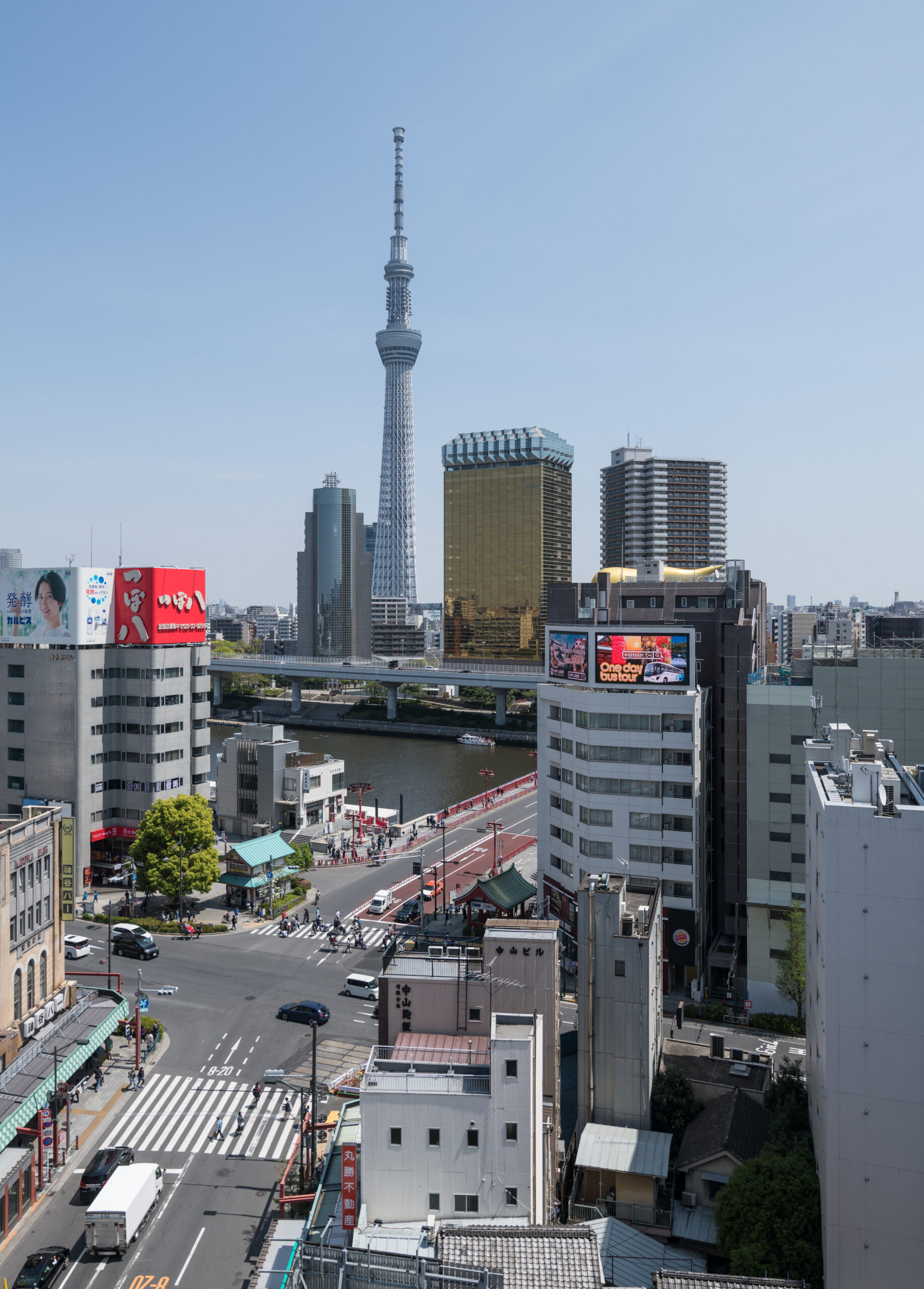
Tokyo seen from Asakusa. Photo: DXR / Wikimedia Commons, CC BY-SA 4.0. Displayed at web size; no scene elements altered; destination illustration, not evidence of an accessible route.

What makes a tour suitable for you?
Age is a poor substitute for a useful travel brief. An active traveler in their seventies may want a very different trip from someone who needs frequent seated breaks. Describe what a comfortable sightseeing day looks like at home, and ask the planner to build around it.
| Your priority | Ask the planner to specify |
|---|---|
| Less continuous walking | Walking sections between actual drop-off points, entrances and seating |
| Fewer changes of hotel | A route with longer stays in fewer bases |
| Easier train journeys | Station access, assistance arrangements, seating and luggage handling |
| A comfortable room | Bed type, bathroom layout, thresholds and the route from reception |
| A shared family holiday | Optional activities that let different generations enjoy different paces |
| More flexibility | Which visits can be shortened, replaced or left unbooked |
Japan's national tourism organization provides an accessible tourism guide covering transport, accommodation and sightseeing resources. Use it to begin the conversation; an individual supplier still needs to confirm the arrangements you require.
Private touring or a small group?
A private trip is worth considering when you want control over starting times, rest breaks and the number of visits each day. It can also help a family agree on a shared itinerary without expecting everyone to join every activity.
A small group may suit travelers who enjoy company and prefer a published schedule. Before choosing one, ask for its walking requirements, hotel-change pattern, coach access and policy for sitting out an excursion. A tour labeled “senior” can still involve a full day on your feet.
Compare the actual program rather than the label. A well-planned group trip may fit you better than a private itinerary that tries to cover too much.
A suggested 10-night Tokyo and Kyoto itinerary
For a first conversation with your planner, consider five nights in Tokyo and five in Kyoto, arriving and departing through airports appropriate to the final route. This is an editorial suggestion to reduce hotel changes; it is not a claim that ten nights is the ideal length for every traveler.
| Day | Suggested plan |
|---|---|
| 1 | Arrive in Tokyo, transfer to the hotel and leave the evening free |
| 2 | One guided neighborhood visit, followed by a seated lunch and an open afternoon |
| 3 | A museum or garden selected after checking its current access information |
| 4 | A flexible day for shopping, another cultural visit or time at the hotel |
| 5 | An optional excursion only if the extra travel suits your group |
| 6 | Travel to Kyoto; avoid adding a major sightseeing program after the transfer |
| 7 | A short guided visit to a district or heritage site chosen for your interests |
| 8 | A reserved cultural experience with seating and access confirmed beforehand |
| 9 | A second Kyoto visit or an optional day trip, with a quieter alternative |
| 10 | Free time or a final visit, allowing time to pack without rushing |
| 11 | Transfer for departure |
If a ryokan stay is important, discuss whether to replace a night in one base or extend the holiday. Ask about beds, seating, bathing arrangements and meal times before adding it. A traditional room is a different choice from a room assessed for a particular mobility need.
Getting around: check the whole journey
Tokyo Metro's barrier-free station search distinguishes facilities such as elevators and other step-reducing equipment. The existence of a barrier-free route does not mean every entrance or interchange follows the same path. Identify the entrance you will use and allow time for the route that works for you.
For intercity travel, confirm seat reservations, luggage arrangements and any assistance before finalizing the day. JR Central publishes luggage guidance for its trains, including information relevant to wheelchair-seat reservations. Use the rules for the actual operator and service on your itinerary rather than assuming one rule covers every train in Japan.
Ask your planner to separate vehicle transfers from guided sightseeing in the proposal. A driver and a guide have different roles; the quote should explain who accompanies you and when.
Hotels and sightseeing: questions worth asking
For the hotel, ask for written details of the room category being reserved. “Accessible hotel” is less useful than confirmation of the bed, shower, bathroom entrance, lifts and route to breakfast that you will actually use.
For sightseeing, ask whether the visit requires standing in a queue, removing shoes, climbing steps or walking from a parking area. Decide which experiences deserve that effort and which can be replaced. A shorter visit to a place you care about may be more satisfying than completing a long checklist.
If you use a wheelchair or scooter, describe the equipment and the assistance you require before booking. Do not treat “a slower pace” and “step-free” as interchangeable requirements.
How to compare Japan tour prices
Request an itemized proposal for your dates and party size. Check the hotel and room categories, guided days, vehicle hours, train class, meals, admissions and cancellation terms. Then compare like with like.
To explore a lower overall budget, ask for an alternative with fewer hotel changes or fewer privately guided days. Keep the access arrangements you need visible in both proposals, so a saving does not silently remove an essential service. AAT's Japan trip cost guide provides further budgeting context; your own quote should specify what is included.
Questions travelers ask
What are the best Japan tours suitable for seniors?
The best fit is the tour whose pace, hotels and transport suit your group. Start with the experiences you want, then test each day against your walking preferences and the practical arrangements you need.
How can I find affordable Japan tours for seniors?
Compare an itemized private proposal with a suitable small-group itinerary. Ask which costs change with dates, room category and the number of private services. There is no verified “senior price” in this guide.
Are special accommodations available for older travelers?
There are official accessibility resources and suppliers offering different facilities. Availability and suitability need to be checked for the exact room, vehicle, service and travel date. A general destination guide cannot confirm those details for a booking.
Start with your travel preferences
Explore AAT's private Japan journeys and Japan family tours, then send a brief with your dates, party size, preferred hotel style and the pace you enjoy. Describe practical requirements rather than sending medical records through a general inquiry form.
Ask Absolute Asia Tours about a Japan itinerary. Request written confirmation of the access arrangements that matter to you before accepting a proposal.
Research note: prepared from the linked public sources checked on October 26, 2026. The sample itinerary is an editorial proposal. This article does not claim a first-hand inspection or a named local-specialist review.
For intercity travel, confirm seat reservations, luggage arrangements and any assistance before finalizing the day.
Further Reading
Journeys That Go There