Absolute Asia/Japan/Kyoto Private Tour: How to Hire a Private Guide and Plan the Day (2026)
Kyoto Private Tour: How to Hire a Private Guide and Plan the Day (2026)
How a Kyoto private tour works in 2026: licensed guides, a day that beats the crowds, Gion etiquette, the new lodging tax, and how many days to give Kyoto.
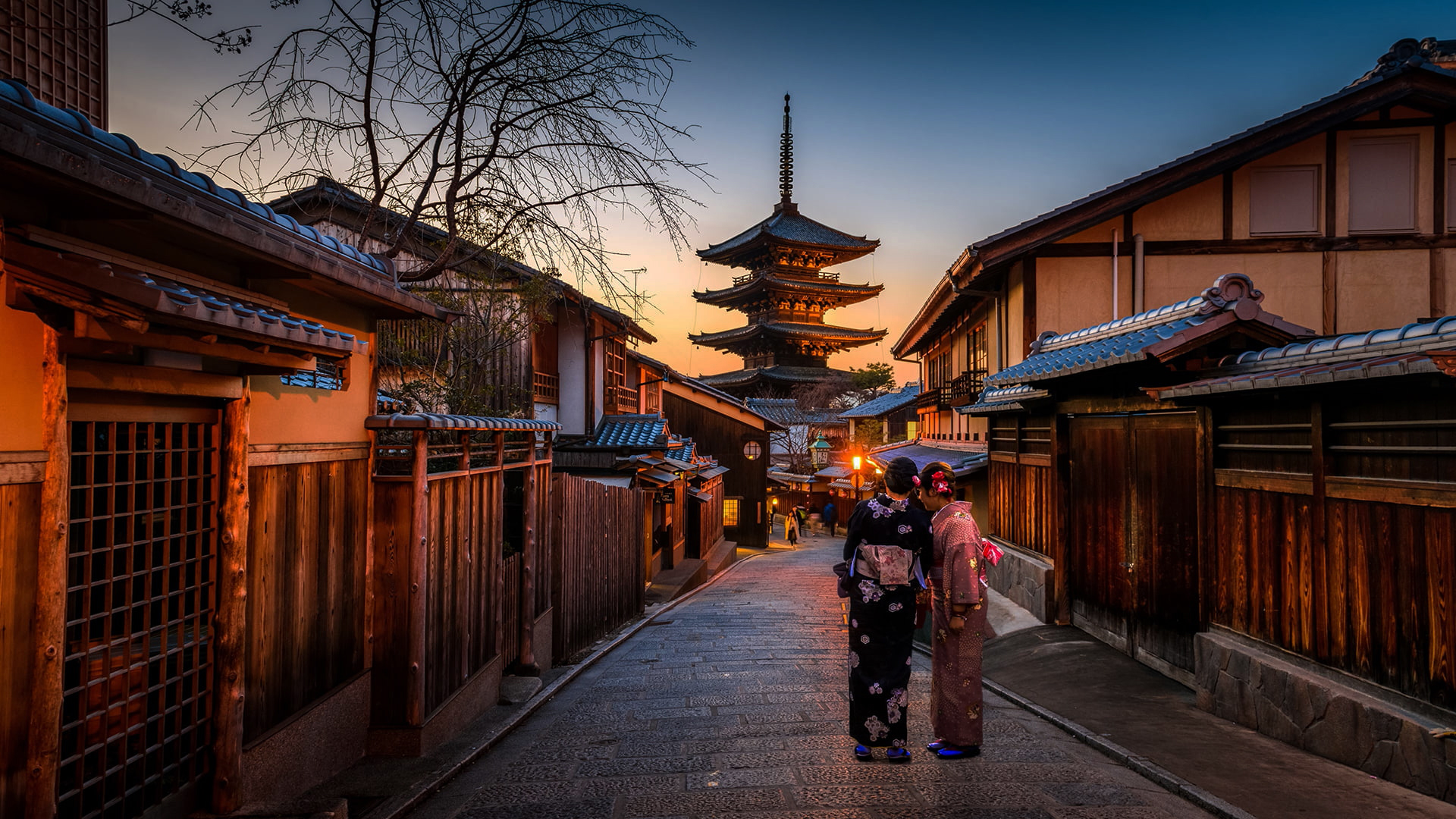
A private tour is one of the best ways to see Kyoto, and it isn’t only about comfort. Kyoto’s famous temples get very busy, the city buses fill up between them, and a lot of what makes the city interesting is easy to walk past without someone to explain it. With your own guide, and a car when you need one, you can be at the right temple at the right hour and spend the busy middle of the day somewhere quieter. Here’s how hiring a guide in Kyoto works, what a good day looks like, and what’s new in 2026.
Licensed guides and what the title means
Since a change in the law in January 2018, anyone in Japan can work as a paid tour guide. What’s protected is the title. Only people who’ve passed the national exam can call themselves a National Government Licensed Guide Interpreter (zenkoku tsuyaku annaishi). It’s a demanding exam that covers history, geography and the language, so if you want that standard, ask for a licensed guide when you book. A good guide will also know which temples need advance booking and how to time each one.
A private day in Kyoto that beats the crowds
Start early. Fushimi Inari’s tunnels of red torii gates are open around the clock and almost empty at sunrise, and the higher you climb, the quieter it gets. From there, a car gets you to the east side of the city in time for Kiyomizu-dera before the tour groups arrive.
Spend late morning walking down through Sannenzaka and Ninenzaka to the Yasaka Pagoda. In the middle of the day, when the famous sights are at their busiest, go somewhere smaller: a Zen temple garden in Daitoku-ji, or lunch in a quiet machiya townhouse. In the late afternoon, walk through Gion as the lanterns come on.
On a second day, do Arashiyama first thing, before the bamboo grove fills up, and add Kinkaku-ji, the Golden Pavilion, and Ryoan-ji’s rock garden on the way back. Our guide to things to do in Kyoto covers the sights in more detail.
Gion etiquette
Gion’s main street, Hanamikoji, is a public road, but many of the narrow stone-paved lanes off it are private. Since 2019, local residents have put up signs banning photography in those private lanes, and in 2024 they added no-entry signs to some of them. Respect the signs, and never photograph geiko or maiko without asking. They’re on their way to work. A guide is useful here. They’ll know which lanes you can walk and can explain what you’re seeing in the tea-house district.
Getting around
Kyoto’s city buses are cheap but can be packed on routes to the big temples. The city now runs the Sightseeing Express Bus between Kyoto Station, Kiyomizu-dera and Gion for a flat ¥500, on Saturdays and holidays. On a private tour you’ll usually use a car with a driver for the longer hops and walk the rest, which saves a lot of time.
Where to stay, and the 2026 lodging tax
Kyoto has some lovely places to stay, from traditional ryokan to new luxury hotels along the Kamo River. Be aware that the city raised its lodging tax for stays from 1 March 2026. At the top end, where the room charge is ¥100,000 or more per person per night, the tax is ¥10,000 per person per night. It’s charged on top of the room rate, so factor it into the budget.
How many days, and when to go
Give Kyoto at least three nights. Two full days cover the main sights, and a third lets you add Nara, under an hour away by train, or the tea town of Uji. Cherry blossom season, from late March into early April, and autumn leaves, usually in mid to late November, are beautiful and very crowded, so book months ahead. Winter is quiet and often clear. Our best time to visit Japan page has more, and how much a trip to Japan costs explains what drives the price.
Kyoto as part of a Japan trip
Most people come to Kyoto from Tokyo on the shinkansen and continue to Osaka, Hiroshima or the countryside. Our luxury Japan itinerary shows a full route, and Japan tour packages explains the different ways to travel.
Planning it with Absolute Asia Tours
Absolute Asia Tours has planned private trips in Asia since 1989. In Kyoto, that means your own guide and driver, temple visits timed around the crowds, and hotels chosen for where they are. We’re rated 4.8 out of 5 across about 900 traveler reviews. Have a look at our Japan tours or tell us your dates.
Sources (read in Japanese): Japan Tourism Agency on the Licensed Guide Interpreters Act; Kyoto City and Jiji Press on the 2026 lodging tax; Bengo4.com and Travel Voice on the Gion private lanes; Kyoto City Transportation Bureau on the Sightseeing Express Bus. Last checked October 2026.
Kyoto private tours: FAQ
Is a private tour in Kyoto worth it?
For most first visits, yes. A guide times the big temples around the crowds, explains what you’re seeing and uses a car for the longer hops, so you see more with less waiting.
Do private guides in Kyoto need a license?
No. Since 2018 anyone can guide for pay, but only those who’ve passed the national exam can use the title National Government Licensed Guide Interpreter. Ask for one if that’s important to you.
How many days do you need in Kyoto?
At least three nights: two full days for the main sights and a third for Nara, Uji or a slower day.
Can you take photos in Gion?
On Hanamikoji, the main street, yes. Many side lanes are private, with signs banning photography, and some are now closed to through traffic. Don’t photograph geiko or maiko without permission.
How much is the Kyoto lodging tax in 2026?
It depends on the room charge. For stays from 1 March 2026, rooms costing ¥100,000 or more per person per night pay ¥10,000 per person per night, with lower amounts for cheaper rooms.
The city now runs the Sightseeing Express Bus between Kyoto Station, Kiyomizu-dera and Gion for a flat ¥500, on Saturdays and holidays.
Further Reading
Journeys That Go There