Absolute Asia/South Korea/South Korea Luxury Tours: Private Guides, Hanok Stays and a 10-Day Route (2026)
South Korea Luxury Tours: Private Guides, Hanok Stays and a 10-Day Route (2026)
South Korea luxury and private tours: Seoul with a private guide, hanok and temple stays, a 10-day Seoul–Gyeongju–Busan–Jeju route and K-ETA rules.
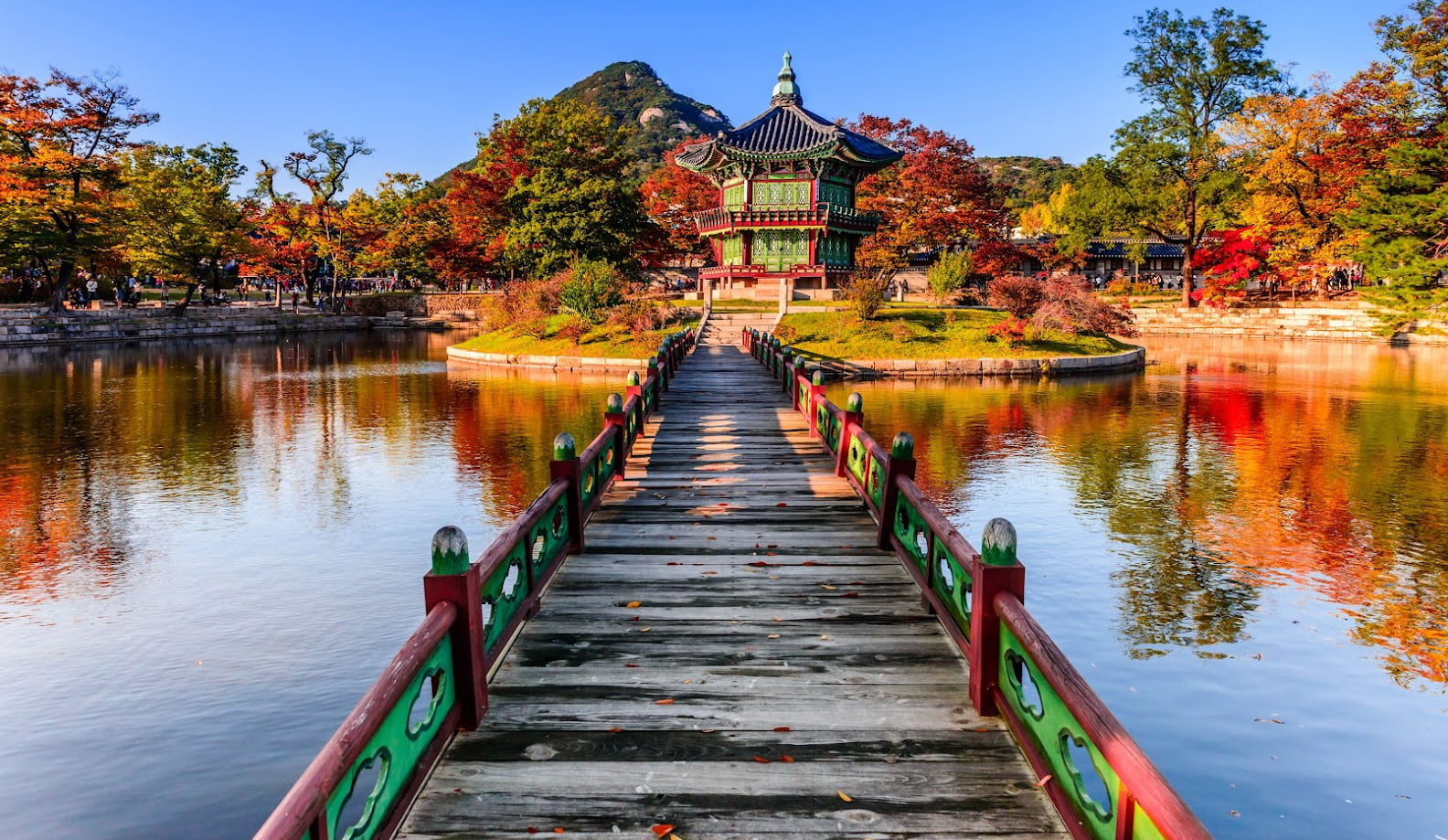
South Korea luxury tours pair one of Asia’s most exciting cities with quiet temples, royal tombs and volcanic islands, and private guides make the difference. In Seoul, a guide turns palaces and food markets into stories; outside the capital, they open doors to temple stays, tea houses and family-run restaurants that are hard to find alone. Here is how a private Korea tour works, a 10-day route and where to stay.
What a private Korea tour includes
- Private, licensed English-speaking guides in Seoul, Gyeongju, Busan and Jeju.
- KTX high-speed trains in first class, with private transfers at each end. Seoul to Busan takes about two and a half hours.
- A mix of stays: a contemporary luxury hotel in Seoul, a night in a traditional hanok, and a resort on Jeju.
- Food at its best: market tours, Korean barbecue, temple cuisine and the country’s growing fine-dining scene.
The top private tour options in Seoul
- Palaces with a historian: Gyeongbokgung and Changdeokgung, including the Secret Garden, which is visited on a guided tour with limited numbers.
- Bukchon and Ikseon-dong: hanok alleys, tea houses and craft studios, best in the early morning.
- Food walks: Gwangjang Market for bindaetteok and knife-cut noodles, followed by an evening in a neighborhood restaurant.
- The DMZ: a guided day at the Demilitarized Zone; access to some sites, such as the Joint Security Area, changes with the security situation, so check what is open when you book.
- Design and art: the Leeum Museum, Dongdaemun Design Plaza and the galleries of Samcheong-dong.
Where to stay
- Seoul: Signiel Seoul, on the upper floors of the Lotte World Tower, or the Four Seasons Hotel Seoul near Gyeongbokgung. For a night in a traditional house, Rakkojae is a restored hanok in Bukchon.
- Busan: Park Hyatt Busan, overlooking the yachts of Haeundae Marina.
- Jeju: The Shilla Jeju, a long-established resort in the Jungmun tourist complex.
- A temple stay: several temples, including Haeinsa and Golgulsa, offer overnight programs with meditation and temple meals. Rooms are simple, but for many travelers this is the most memorable night of the trip.
A 10-day South Korea itinerary
| Days | Base | Highlights |
|---|---|---|
| 1–4 | Seoul | Palaces and the Secret Garden, Bukchon, a market food walk, a DMZ day and a free day for shopping or galleries |
| 5–6 | Gyeongju | The Silla royal tombs, Bulguksa Temple and Seokguram Grotto, both UNESCO-listed |
| 7–8 | Busan | Gamcheon Culture Village, Jagalchi fish market and the coastal Haedong Yonggungsa temple |
| 9–10 | Jeju | Volcanic coast, Seongsan Ilchulbong at sunrise, tea fields and departure via Seoul |
A temple stay fits well between Seoul and Gyeongju. To combine South Korea with Japan, add Tokyo and Kyoto; flights between Seoul or Busan and Japan are short, and ferries also link Busan with Fukuoka.
Korea for food lovers
Korean food is one of the best reasons to travel privately. Seoul has its own Michelin Guide, with modern Korean tasting menus alongside celebrated street stalls, while temple cuisine offers a completely different, plant-based tradition built on seasonal vegetables and fermentation. A guide can take you from a morning market to a traditional liquor (makgeolli) tasting and a family-run barbecue restaurant in a single day. On Jeju, try the island’s black pork and the fresh seafood caught by the haenyeo, the island’s famous women divers.
South Korea with children
Korea is safe, clean and easy for families. Children enjoy Lotte World and the aquarium in Seoul, wearing hanbok at the palaces (visitors in traditional dress enter some palaces free), the beaches of Busan in summer and Jeju’s lava tubes and horse-riding. High-speed trains keep travel days short.
When to go
Spring (April to May) brings cherry blossoms and mild days, and autumn (late September to early November) brings clear skies and spectacular foliage in the mountains and palace gardens. Summer is hot, humid and rainy, especially from late June to July, and winter is cold and dry, good for city breaks and snow in the mountains.
Entry for US travelers
South Korea has extended the temporary exemption from the K-ETA (Korea Electronic Travel Authorization) for US citizens through December 31, 2026, so most American tourists can enter visa-free without applying in advance during 2026. You can still apply for a K-ETA voluntarily. Check the official notices before you travel, especially for trips in 2027.
How to choose a tour operator for South Korea
- Ask whether guides are private and licensed in each city.
- Confirm the hotels and whether a hanok or temple stay is included.
- Check how train tickets and luggage between cities are handled.
- Look for support during the trip and reviews from travelers on similar tours.
Absolute Asia Tours designs private and luxury South Korea tours with these standards. See our South Korea tour packages, things to do in Seoul, the South Korea page, or plan your trip.
South Korea luxury tours: FAQ
What are the top private tour options in Seoul?
A palace day with a historian, including Changdeokgung’s Secret Garden; an early walk through Bukchon’s hanok alleys; a market food tour; a guided DMZ day; and an art and design day at the Leeum Museum and Dongdaemun Design Plaza.
What should I include in a South Korea itinerary?
Seoul for four nights, Gyeongju for its Silla heritage, Busan for the coast and markets, and Jeju for volcanic landscapes. Ten days covers all four at a comfortable pace.
What are the best luxury hotels in South Korea?
Signiel Seoul and the Four Seasons in Seoul, Rakkojae for a hanok night, Park Hyatt Busan and The Shilla Jeju.
How do I choose the best tour operator for South Korea?
Choose a company that offers private licensed guides, names your hotels, arranges KTX trains and transfers, and provides support during the trip. Absolute Asia Tours plans private Korea tours on this basis.
Can I combine Japan and South Korea in one trip?
Yes. Two weeks allows about six nights in Korea and seven in Japan, linked by a short flight or the Busan–Fukuoka ferry.
Do US citizens need a K-ETA for South Korea in 2026?
No, US citizens are exempt from the K-ETA until December 31, 2026. Check the official notices for travel after that date.
Who are the best tour operators for South Korea?
Look for companies that offer private licensed guides, named hotels, KTX train arrangements and support during the trip. Absolute Asia Tours designs private Korea tours on this basis.
Are there luxury tours of South Korea for families?
Yes. Private tours can include palace visits in hanbok, the Lotte World aquarium, Busan’s beaches and Jeju’s lava tubes, with hotels chosen for families.
Is South Korea expensive for a luxury trip?
Luxury hotels in Seoul are comparable with other major Asian cities, while trains, food and entrance fees are good value. A specialist will quote for your dates and hotel choices.
To combine South Korea with Japan, add Tokyo and Kyoto; flights between Seoul or Busan and Japan are short, and ferries also link Busan with Fukuoka.
Further Reading
Journeys That Go There